Thursday
Room 5
10:20 - 11:20
(UTC+11)
Talk (60 min)
Designing technology for dirty gloves
Having worked in the mining industry, I’ve been out in the pit, to the coal face, it's dusty, hot, sweaty, flies buzzing, with big dirty gloves on, whilst trying to enter data into a small text field in the app.
As technology creators, we know that innovation fails when we ignore the end users or don’t talk to our customers.
The first step in building truly effective digital products is focusing on the people who rely on them daily. I’ve learned to start with Human-Centered Design (HCD) —iterating and testing in real environments ensures our technology meets real-world needs. How can we design digital products for industrial environments from the comfort of the office?
We talk about accessibility design and testing. We can make assumptions, but when it comes down to it, we need to showcase and test it with people, assets, and processe that will really use it.
In heavy industry, getting dirty gloves means you have to leave the office!
Applying HCD principles reduces costly failures, boosts adoption, and drives tangible impact. By integrating observation, real user testing and iterating the design, we create safer, smarter, and widely adopted industrial solutions.
Our goal — it’s future-proofing industrial technology by designing for people in the field.
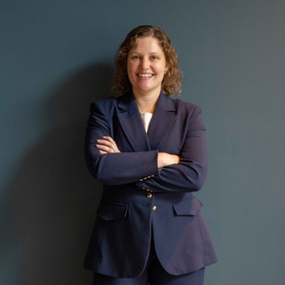
Leanora Horne
Senior digital product and transformation specialist with eight years’ experience spanning SaaS, consulting, not-for-profit, and complex solutions in the mining industry. I combine a strong grounding in Entrepreneurship, product design and content strategy with hands-on delivery of digital and hardware solutions since 2020. At Bradken, I’ve led cross-functional teams developing IoT-enabled products, software integrations, and connected data systems that drive operational efficiency and environmental impact. My focus is on building digital ecosystems — from smart devices and data lakes to machine learning and simulation — that connect people, assets, and insight for better decisions.